How often should you water a houseplant?
Forget the calendar. A simple finger test, the signs of too much and too little, and how watering changes through the year.
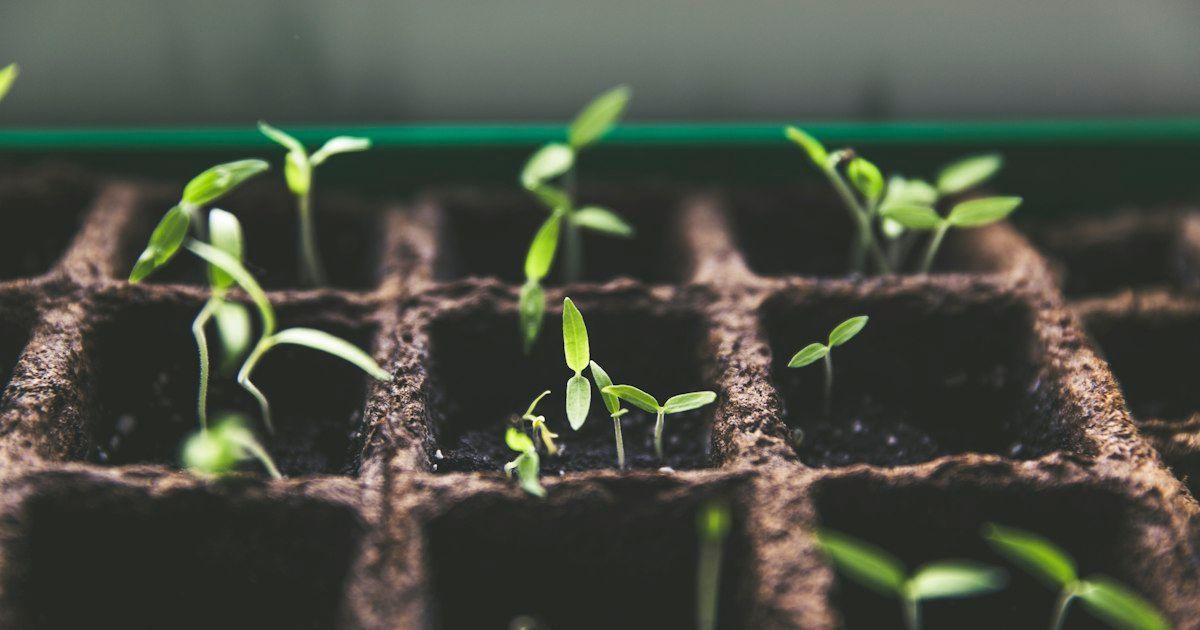
“How often should I water it?” is the question we hear most, and the honest answer is: it depends on the plant, the pot, the light and the season. A fixed schedule is how most houseplants are lost. Here is what to do instead.
Check the soil, not the calendar
Push a finger into the soil up to the second knuckle, about 5 cm.
- Dry at that depth: water most leafy tropical plants (monstera, philodendron, fiddle leaf fig).
- Still damp: wait a few days and check again.
- Succulents, cacti, snake plants and ZZ plants: wait until the soil is dry all the way through. Lift the pot: a dry one is noticeably lighter.
Water deeply, then let it drain
When you water, water properly. Pour slowly until water runs out of the drainage hole, wait ten minutes, then empty the saucer or cachepot. A plant standing in water is the most common cause of root rot we see.
A little water often keeps the top of the soil wet while the roots below stay dry, and invites fungus gnats.
Signs you are overdoing it, or not doing enough
| What you see | Most likely |
|---|---|
| Yellow lower leaves, soft stems, soil that smells sour | Too much water |
| Crispy brown edges, leaves curling inwards, soil pulling away from the pot | Too little water |
| Drooping leaves that perk up within hours of a drink | Thirsty, and fine |
Through the year
Plants drink far less in winter, when the light is low and growth slows. Most of ours go from a weekly drink in July to every two or three weeks in January. Central heating dries the air, not the soil, so check before you water.
Which water?
Room-temperature tap water is fine for most plants. Calatheas and spider plants show brown tips with hard water: use rainwater or filtered water for them if you can.
If a plant still worries you, send us a photo. We are happy to take a look.
#care#watering